

The Netherlands may be known for windmills, tulips, and canals, but its food is just as memorable. Dutch cuisine is hearty, comforting, and often a little quirky, whether you are biting into a fresh stroopwafel at a market or warming up with a steaming bowl of split pea soup in winter.
To help you plan your foodie adventure, here are 15 traditional Dutch foods and where you can try them, plus transport tips to get you there.
DISCLOSURE: This post contains affiliate links. If you make a purchase via one of those links, I will earn a commission at no extra cost for you.
Dutch Street Foods & Snacks
Street food is a big part of Dutch food culture, especially at open-air markets and festivals. From crispy fried bites to fresh seafood, these are the snacks you will spot locals enjoying on the go.
1. Stroopwafel
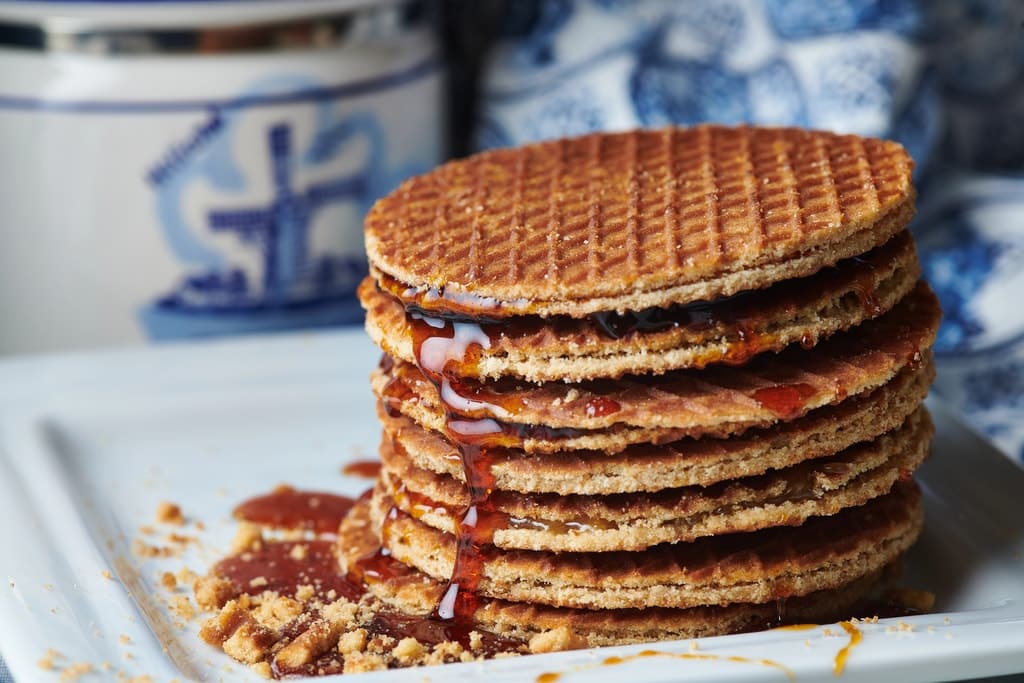
This famous Dutch snack is made of two thin waffle cookies held together with caramel syrup. Fresh from a market, the caramel is warm and gooey, nothing like the pre-packaged versions. If you can’t get hold of a fresh stroopwafel, than a packaged one would do. Just place it on top of your coffee or tea for a minute to melt the filling, just like the Dutch do.
Where to try: Albert Cuyp Market in Amsterdam or Markus Stroopwafels in Gouda.
How to get there: Tram 4 or Metro 52 takes you from Amsterdam Central to Albert Cuyp in under 15 minutes. Gouda is 55 minutes by train from Amsterdam.
Recommended food tour: Albert Cuyp and De Pijp Food Tour Amsterdam
2. Bitterballen
These golden, crispy meatballs are filled with a creamy beef ragout thickened with roux and served with mustard. Bitterballen are the go-to Dutch bar snack and taste even better with a local beer in hand. Bitterballen are the pub variant of the Dutch kroket (croquette), a more oblong version often served with a bread bun.

Where to try: Café de Tuin in Amsterdam or Café Olivier in Utrecht.
How to get there: Both cafés are within walking distance of their central train stations.
Recommended food tour:
3. Haring (Raw Herring)
A Dutch summertime favorite, this raw fish is surprisingly mild and served with onions and pickles. Locals lift the herring by the tail and bite upwards. It is an experience you will not forget. On Vlaggetjesdag (Flags Day), celebrated on the Saturday before Pentecost, the tradition comes alive, when crowds gather to taste the first catch of the season – fresh “Hollandse Nieuwe” herring served straight from the boats.

Where to try: Haring stands on Damrak (Amsterdam) or Volendam’s harbor. Scheveningen for Vlaggetjesdag
How to get there: Damrak is a 5 minute walk from Amsterdam Central. Volendam is a 30 minute bus ride (Bus 316) from the same station. Scheveningen is a short tram ride from The Hague Central Station (tram 9).
4. Friet (Dutch Fries)
Forget skinny fries. Dutch fries are thick, crispy, and come in a paper cone with sauces piled on top. Mayo is the classic, but “patatje oorlog” (peanut sauce with mayo and onions) is a local favorite. If you want fries plain, just order “frietje zonder” (French fries without… anything).

Where to try: Manneken Pis (Amsterdam Damrak) or Frites Atelier (The Hague).
How to get there: Manneken Pis is steps from Amsterdam Central. The Hague is 50 minutes by train from Amsterdam.
5. Kibbeling
Battered and fried fish chunks (usually cod), kibbeling is the Netherlands’ answer to fish and chips. Served with garlic or tartar sauce, it is a must at coastal towns. You can find kibbeling at any market in any town.

Where to try: Scheveningen Boulevard near The Hague.
How to get there: From The Hague Central Station, tram 9 takes you straight to the beach.
Traditional Dutch Meals
Dutch meals are simple but satisfying, often built around potatoes, vegetables, and meat. These traditional dishes are especially comforting in colder months, when hearty food is exactly what you need.
6. Stamppot
The ultimate Dutch comfort food, stamppot is mashed potatoes mixed with vegetables like kale (boerenkool) or sauerkraut (zuurkool), topped with smoked sausage. It is hearty, filling, and best on cold evenings. A variant of the stamppot is hutspot, made with mashed potatoes, carrots, and onions, often served with a tender piece of slow-cooked beef known as klapstuk.

Where to try: Moeders restaurant in Amsterdam.
How to get there: Just a 10 minute walk from Amsterdam Central Station.
7. Erwtensoep (Dutch Split Pea Soup)
Locals call it snert. This thick, hearty pea soup is packed with smoked sausage, bacon, and vegetables. It is so rich your spoon might stand upright in the bowl. Perfect after a winter walk or ice skating.

Where to try: Café Het Elfde Gebod in Rotterdam or northern provinces like Friesland.
How to get there: Rotterdam is 40 minutes from Amsterdam by train.
8. Indonesian Rijsttafel
This rijsttafel (rice table) is a Dutch-Indonesian feast of small dishes such as satay, curries, sambal, and fried bananas served with rice cooked in different ways. It is spicy, colorful, and one of the most flavorful meals you will find in the Netherlands.

Where to try: Kantjil & de Tijger (Amsterdam) or Restaurant Blauw (Utrecht).
How to get there: Both are easily accessible by tram or bus from central stations.
Dutch Desserts & Sweets
If you have a sweet tooth, you will be very happy in the Netherlands. From deep-dish apple pie to mini pancakes, Dutch desserts are cozy, indulgent, and often best enjoyed in a café with a hot drink.
9. Poffertjes
Mini pancakes (pofferjtes) made in a cast-iron pan, dusted with powdered sugar and topped with butter. They are fluffy, sweet, and impossible to eat just once.

Where to try: Oudegracht market in Utrecht or Pancakes Amsterdam (near Central Station).
How to get there: Utrecht is 25 minutes by train from Amsterdam.
10. Appeltaart (Dutch Apple Pie)
Deep, spiced, and filled with chunky apples and cinnamon, Dutch appeltaart is unlike American pie. Always served with a generous dollop of whipped cream, it is the ultimate café treat.

Where to try: Winkel 43 (Amsterdam’s Jordaan) or Stadscafé de Waag (Leiden).
How to get there: In Amsterdam, Winkel 43 is a short tram ride from Central Station. Leiden is 35 minutes by train from Amsterdam.
11. Oliebollen
Dutch doughnuts eaten at New Year’s, oliebollen are fluffy fried balls of dough sprinkled with powdered sugar. Some are filled with raisins, others plain, but all are best eaten hot.

Where to try: Street stalls on Dam Square in Amsterdam (December).
How to get there: 10 minutes on foot from Amsterdam Central.
12. Bossche Bol
A massive cream puff coated in rich chocolate, this indulgent dessert is unique to ’s-Hertogenbosch (Den Bosch). Imagine an oversized profiterole, but even better. The Bossche Bol is one of the reasons why tourist flock to this Southern Dutch city.

Where to try: Jan de Groot bakery in ’s-Hertogenbosch.
How to get there: Direct trains from Amsterdam take about 1 hour. The bakery is right next to the station.
13. Vlaai
This Limburg specialty is a fruit pie with a light yeast dough crust. Popular fillings include cherries, apricots, or rice pudding. Lighter than apple pie, but just as delicious. Since 2022, Limburgse vlaai has held Protected Geographical Indication (PGI) status, meaning authentic vlaai can only be made and enjoyed in the Limburg province.

Where to try: Bakeries in Maastricht.
How to get there: Maastricht is about 2.5 hours from Amsterdam by train.
Unique Dutch Tastes
Some Dutch foods are a little unusual to foreign visitors, but they are an important part of the culture. From salty licorice to wheels of cheese, these are the flavors that make Dutch cuisine truly unique.
14. Drop (Dutch Licorice)
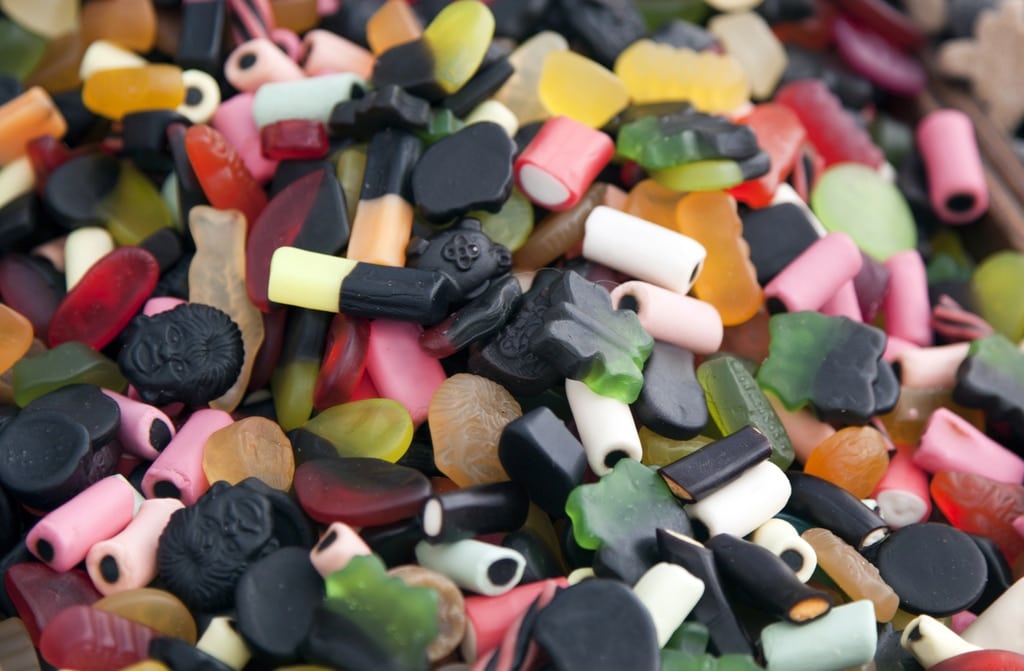
The Dutch are crazy about licorice (drop), and it comes in all varieties from sweet to salty, chewy to hard. Dubbel zout (double salted) is the most intense. Even if it is not your favorite, tasting it is part of the Dutch experience.
Where to try: Jamin candy shops or any Dutch supermarket.
How to get there: Jamin shops can be found in most Dutch city centers.
15. Dutch Cheese (Kaas)
No trip to the Netherlands is complete without cheese. From creamy young Gouda to sharp aged varieties and cumin-spiced Leyden, you will find wheels of cheese everywhere. Do not miss a traditional cheese market.

Where to try: Gouda Cheese Market (Thursdays, April to August) or Alkmaar Cheese Market (Fridays, April to September).
How to get there: Trains to Gouda take about 55 minutes, to Alkmaar about 40 minutes from Amsterdam.
Recommended tours:
Frequently Asked Questions About Dutch Food
What should I eat in the Netherlands on my first trip?
If it is your first visit, start with stroopwafels, bitterballen, Dutch fries, and raw herring. For dessert, try a slice of apple pie with whipped cream. These are the most iconic Dutch foods.
Where can I try Dutch cheese?
The best way to experience Dutch cheese is at a traditional cheese market. Gouda and Alkmaar host lively weekly markets in spring and summer, where you can sample young and aged cheeses. You can also visit cheese shops in Amsterdam, like Henri Willig or De Kaaskamer.
What are the most famous Dutch snacks?
Popular Dutch snacks include stroopwafels, bitterballen, kibbeling, poffertjes, and frikandel (a type of sausage). These are easy to find at markets, cafés, or snack bars across the country.
Are there traditional Dutch desserts I should try?
Yes, Dutch desserts are a highlight. Apple pie, poffertjes, oliebollen (in winter), Bossche bol, and Limburgse vlaai are among the most beloved sweet treats.
Where can I find the best Dutch street food in Amsterdam?
Head to the Albert Cuyp Market or Foodhallen in Amsterdam for a wide variety of Dutch street foods, from stroopwafels and fries to Indonesian snacks. Street stands near Dam Square are also good for herring and oliebollen in winter.
A Dutch Food Itinerary
If you want to taste as much as possible in a short trip, here is a simple food-focused itinerary:
- Day 1: Amsterdam
Start with stroopwafels at Albert Cuyp Market, enjoy bitterballen and local beer at a brown café, and finish with apple pie at Winkel 43. - Day 2: Day trip to Gouda or Utrecht
Take the train to Gouda for cheese tasting and stroopwafels, or to Utrecht for poffertjes and Indonesian rijsttafel. Both are under an hour away. - Day 3: Coastal flavors
Head to The Hague and Scheveningen for kibbeling and fries by the sea. If you visit in winter, warm up with erwtensoep. - Optional extension: Den Bosch and Maastricht
In Den Bosch, try the famous Bossche bol. In Maastricht, taste vlaai and enjoy the Limburg coffeehouse culture.
This way, you can sample a wide range of Dutch street foods, hearty traditional meals, and regional desserts, all using the country’s easy train network.
